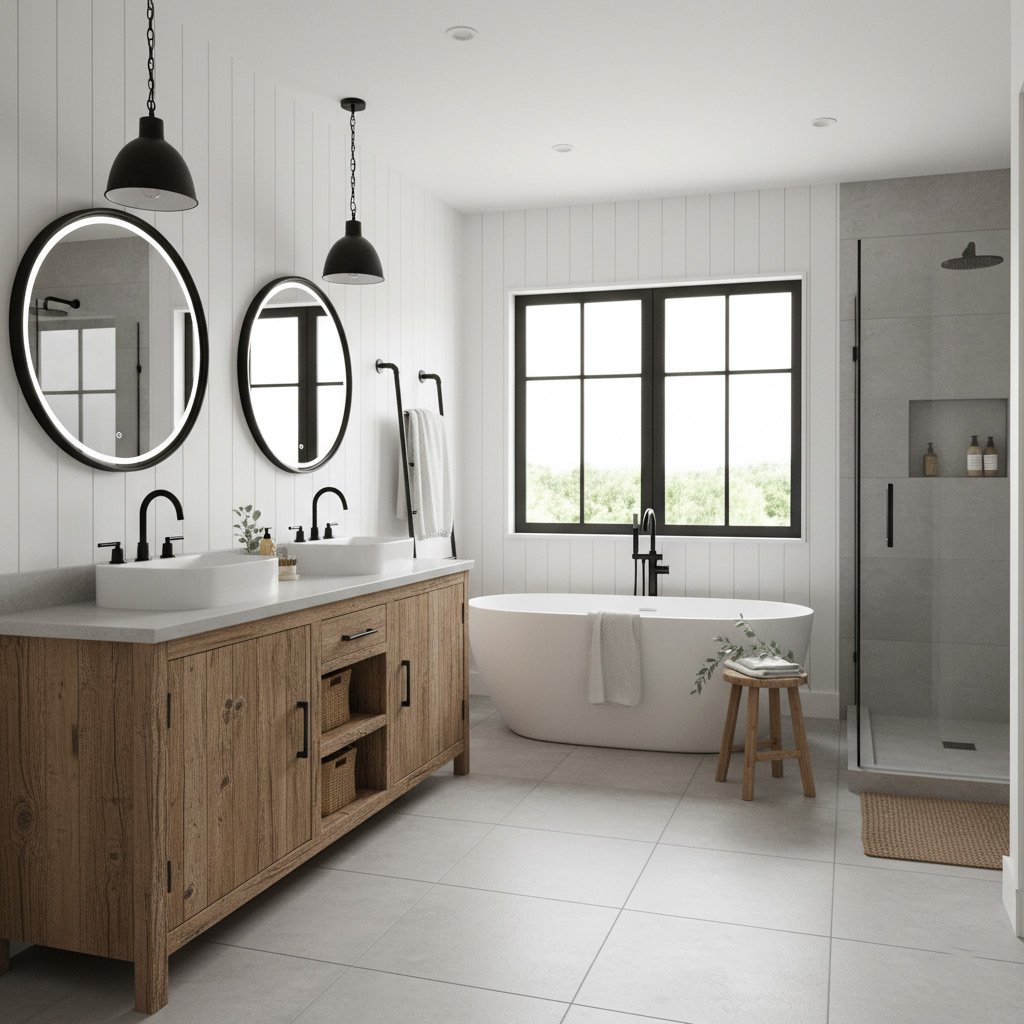
Picture this: you sink into a tub that feels like a personal oasis, the water hugging every curve while the world outside fades away. In Simpsonville, the right bathtub can turn a cramped bathroom into a retreat you actually look forward to using.
Most homeowners chase the flashiest model without checking if it fits the space, the plumbing, or their daily routine. The secret isn’t about splurging on the biggest tub; it’s about matching the shape, material, and features to the way you live.
Ready to cut through the noise and discover the exact steps to pick a tub that works for you? Keep reading and you’ll walk away with a clear game plan for the perfect upgrade.
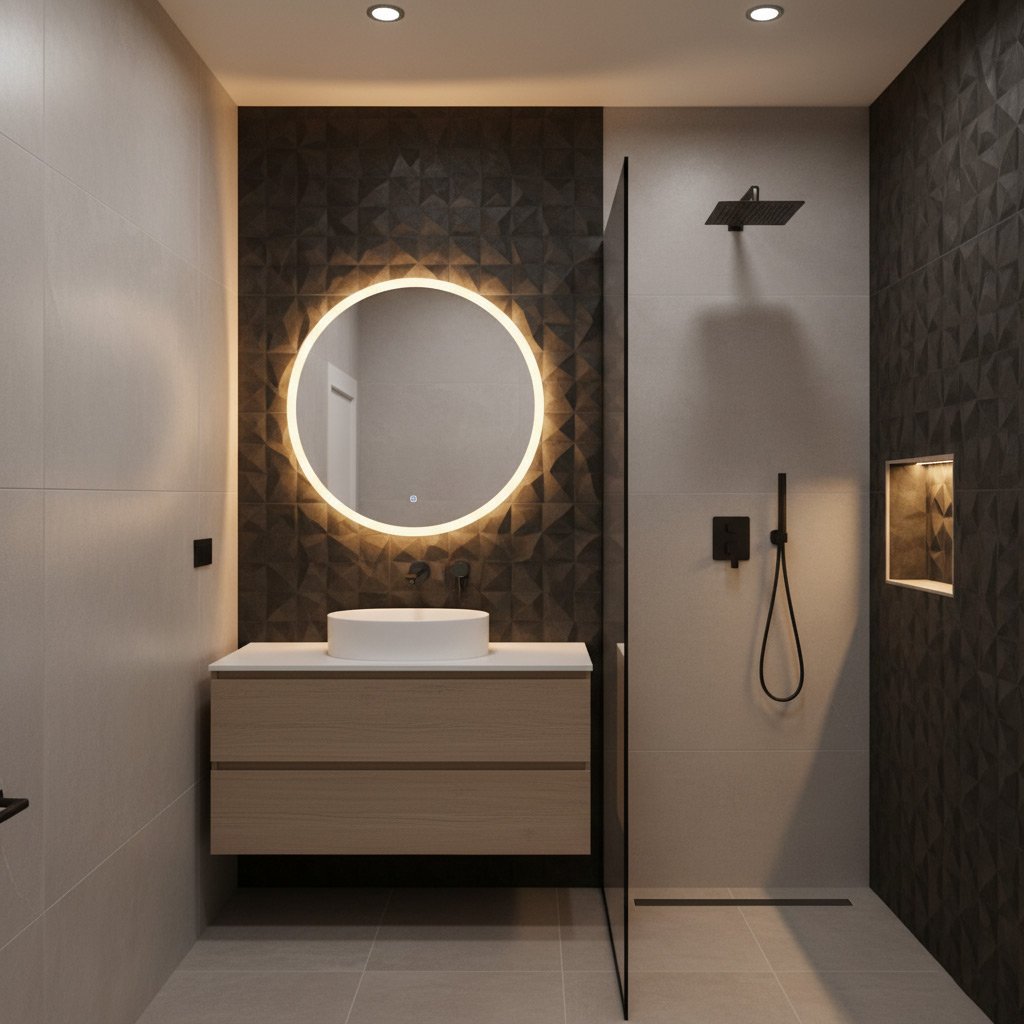
Assessing Your Bathroom Space and Layout
Measure Twice, Cut Once
Grab a tape measure and jot down the length, width, and height of the room. Don’t forget the floor joists – a tub that sits on a weak spot will scream trouble later. Write the numbers down in a notebook or phone app; you’ll thank yourself when the tub arrives.
Check the Plumbing Path
Locate the existing drain and water supply lines. If they’re tucked behind a wall, you may need to shift them, which adds cost. Keep the pipe run as short as possible to preserve water pressure and avoid unnecessary demolition.
Traffic Flow & Door Swing
Sketch a quick floor plan and mark the door swing, vanity, and any fixtures that stay put. Make sure there’s at least 24‑30 inches of clearance around the tub for easy entry and exit. A cramped layout will turn a relaxing soak into a daily frustration.
- Floor space: measure the clear area, not just the tile.
- Ceiling height: low ceilings limit deep soaking tubs.
- Door clearance: ensure the door opens fully without hitting the tub.
Choosing the Right Tub Shape and Size for Your Lifestyle
First, think about how you actually use a tub. If you love long, lazy soaks, a deep, rectangular soak tub is the ticket. If you’re short on time, a shallow alcove tub gets the job done without hogging floor space.
Match the shape to the room
Square and rectangular tubs line up nicely with modern fixtures. Round or oval models soften a boxy bathroom and create a focal point. Don’t force a shape that clashes with the wall layout – it will look cheap.
Size matters, but so does traffic flow
Measure the clear floor area, then subtract at least 18 inches for walking space. A 60‑inch tub fits most master baths; a 48‑inch model works in half‑baths. Remember: a tub that dominates the room can make the space feel cramped.
- Standard depth: 14‑16 inches – good for most adults.
- Deep‑soak depth: 20‑22 inches – ideal for relaxation.
- Compact depth: 12 inches – perfect for tight corners.
Pick a size that fits your daily routine, not just your Instagram feed. A well‑chosen tub adds comfort without sacrificing function.
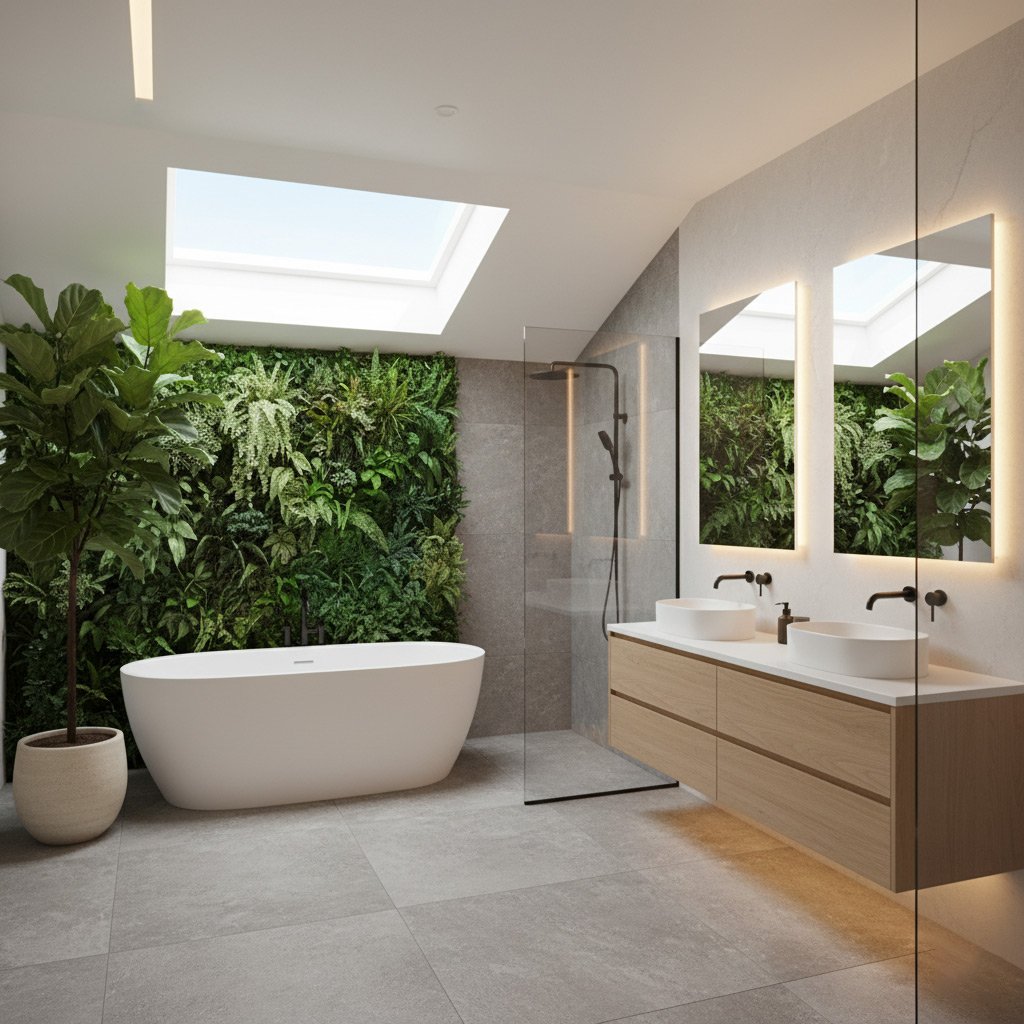
Material Matters: Acrylic, Cast Iron, Stone, and More
Acrylic – Light, Versatile, Budget‑Friendly
When you need a tub that won’t hog the floor, acrylic is the go‑to. It’s feather‑light, so installation is a breeze, and it comes in a rainbow of colors.
Why homeowners love it:
- Quick to heat up – you’re in the water faster.
- Resists chips and cracks; a simple polish keeps it looking new.
- Usually the cheapest option, leaving room for upgrades elsewhere.
Cast Iron – Classic Weight, Heat Retention
Cast iron tubs feel like a solid promise. The heavy shell holds heat like a furnace, so the water stays warm longer.
Key perks:
- Durable for decades – you won’t be swapping it out anytime soon.
- Elegant enamel finish adds a timeless look.
- Great for homes where the tub doubles as a design centerpiece.
Stone & Composite – Luxury Feel, Natural Look
If you crave a spa vibe, stone or stone‑composite tubs deliver. They feel cool to the touch, then warm up, giving a tactile experience you can’t fake.
Consider these points before you buy:
- Heavier than acrylic, so you may need floor reinforcement.
- Higher price tag, but the visual impact is worth it.
- Low‑maintenance surfaces resist stains and mold.
Features & Add‑Ons: Jets, Heated Seats, and Smart Controls
Massage Jets: Spa‑Level Relief
When you add jets, you’re not just buying a tub—you’re installing a personal masseuse. Strategically placed nozzles target the lower back, shoulders, and calves, turning a quick soak into a therapeutic session.
Pick a system that lets you dial in intensity, direction, and even temperature. Adjustable flow means you can go from a gentle ripple to a full‑force blast with a simple twist of a knob.
- Air‑filled jets for a soft, bubbly feel
- Hydro‑massage jets for deep‑tissue pressure
- Dual‑zone setups that treat front and back separately
Heated Seats: Warmth That Sticks
Cold stone on a winter night? Not with a heated seat. A built‑in warming element keeps the tub’s bottom at a comfortable temperature, so you never have to shiver before you even get in.
Look for models with energy‑saving timers that turn off after a set period. That way you get the cozy feel without a surprise on the electric bill.
Smart Controls: The Future at Your Fingertips
Imagine setting the perfect soak from your phone while you’re still in the car. Wi‑Fi‑enabled tubs let you pre‑heat water, activate jets, and even play your favorite playlist with a tap.
Key features to watch for include voice‑assistant compatibility, programmable soak cycles, and leak‑detect alerts that send a text if something goes wrong.
- App‑based temperature presets
- Voice commands via Alexa or Google Assistant
- Automatic water level monitoring
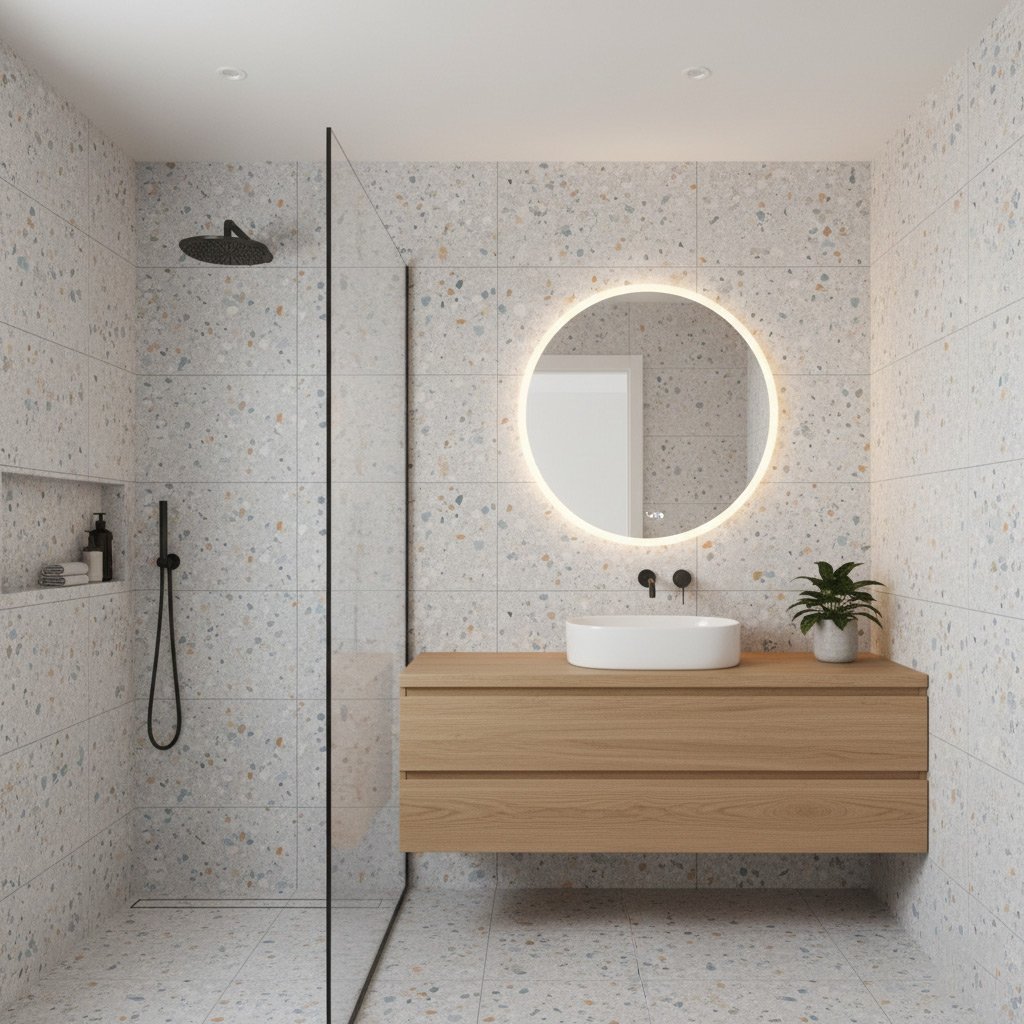
Budgeting and Cost‑Effective Options Without Compromise
Setting a Realistic Budget
Start with a hard number—what you can actually spend after taxes and any unexpected plumbing tweaks. Break it down into three buckets: tub itself, installation labor, and accessories.
- Tub price: $800‑$2,500 for most mid‑range models.
- Labor: $400‑$1,200 depending on complexity.
- Extras (trim, faucet, sealant): $150‑$400.
Knowing these slices helps you avoid the “I love it, but my wallet cries” moment when the invoice arrives.
Smart Material Choices
Don’t assume the priciest material equals the best experience. Acrylic and fiberglass give a spa‑like feel for a fraction of the cost of cast iron or stone.
- Acrylic: lightweight, easy to install, $900‑$1,600.
- Fiberglass: ultra‑budget, $600‑$1,000, but may need a replacement sooner.
- Enamel‑coated steel: looks sleek, holds up well, $1,200‑$1,800.
Pick the material that matches your daily use and the look you crave—no need to splurge on a marble tub if a high‑gloss acrylic will do the job.
Financing & Savings Hacks
Many local suppliers in Simpsonville offer zero‑interest financing for 12‑18 months; that can turn a $2,000 purchase into a $166 monthly payment.
- Ask about “trade‑in” credits if you’re swapping an old tub.
- Check for manufacturer rebates during holiday sales.
- Consider a DIY install if you have basic plumbing chops—save $500‑$800 on labor.
Combine one or two of these tricks, and you’ll walk away with a premium‑looking tub that didn’t break the bank.
Case Study: Transforming a Simpsonville Master Bath with a Freestanding Soaking Tub
When the Martins moved into their 1998 home, the master bath felt like a closet. They wanted a spa‑like centerpiece but only had 5’ × 7’ of floor space and an aging cast‑iron tub that leaked. The goal was simple: swap the old tub for a statement piece without tearing down walls.
Design Decisions That Made the Difference
We started by measuring the clear floor area and locating the existing drain. A 60‑inch oval acrylic freestanding tub fit perfectly, leaving a two‑foot clearance on each side for easy access. The acrylic surface offered a light weight, quick install, and a sleek finish that matched the new brushed‑nickel fixtures.
- Re‑routed the drain to a wall‑adjacent stack, saving $800 on labor.
- Added a low‑profile, waterproof LED strip under the tub rim for a subtle glow.
- Installed a thermostatic mixing valve to keep water temperature steady.
The result? A bathroom that now feels like a private retreat. The Martins report a 30% increase in daily relaxation time and have already hosted two “spa nights” for friends. The freestanding tub became the focal point, turning a cramped space into a showroom‑worthy master bath without breaking the bank.
Final Words: Your Blueprint for the Perfect New Bathtub
Think of this as your cheat sheet. You’ve measured the space, picked a shape that fits your routine, and weighed material pros and cons. Now you just line up the pieces like a puzzle and watch the bathroom transform.
Your Quick‑Start Checklist
- Measure twice, buy once – confirm length, width, and floor clearance.
- Match the tub’s style to your bathroom’s vibe – modern, classic, or a blend.
- Pick a material that balances durability and comfort – acrylic for lightness, cast iron for heft, stone for luxury.
- Decide on must‑have extras – jets, heated backrests, or smart temperature controls.
- Set a realistic budget and stick to it; remember that a well‑chosen tub adds resale value.
When you’re ready to see the options in person, swing by our New Tubs showroom. Our team will walk you through samples, answer the nitty‑gritty plumbing questions, and help you lock in a deal that feels right for your home and wallet.
People Also Ask
What bathtub size fits a typical Simpsonville bathroom?
A standard bathtub is 60 inches long and 32 inches wide, which works well in most 5‑by‑8 foot bathrooms. For smaller spaces, consider a 48‑inch or alcove tub to maximize comfort without crowding the room.How do I choose the right bathtub shape for my lifestyle?
If you enjoy long, relaxing soaks, a rectangular or oval freestanding tub is ideal. For families with kids, a deeper, rounded tub with easy entry can reduce splashing and improve safety.Which bathtub material is best for durability in South Carolina’s climate?
Cast iron and stone‑coated tubs resist moisture and temperature fluctuations, making them long‑lasting choices. Acrylic offers a lighter, more affordable option while still providing good durability and heat retention.Are heated bathtub seats and jets worth the extra cost?
Heated seats and hydro‑massage jets add luxury and can help soothe sore muscles, increasing home value. They typically add $500‑$2,000 to the price, so weigh the comfort benefits against your budget.How can I stay within budget while still getting a quality new tub?
Look for acrylic or fiberglass tubs with simple designs, which are cost‑effective yet durable. Shopping local sales, using rebates, and opting for standard sizes can further reduce expenses without sacrificing quality.
Simpsonville Bathroom Remodel specializes in comprehensive bathroom renovations, bringing over a decade of craftsmanship to homes throughout Simpsonville, South Carolina. Their team combines local knowledge with skilled trades to deliver functional and stylish spaces that reflect each homeowner’s vision.
Need Bathroom Remodel?
We transform bathrooms into modern, functional spaces in just weeks, serving Simpsonville (29681) and nearby ZIPs 29662, 29644, 29651. Our streamlined process minimizes disruption and delivers quality results on schedule.
Get Bathroom Quote